The Future of Foldable Phones: Leaks, Predictions, and What to Expect Next
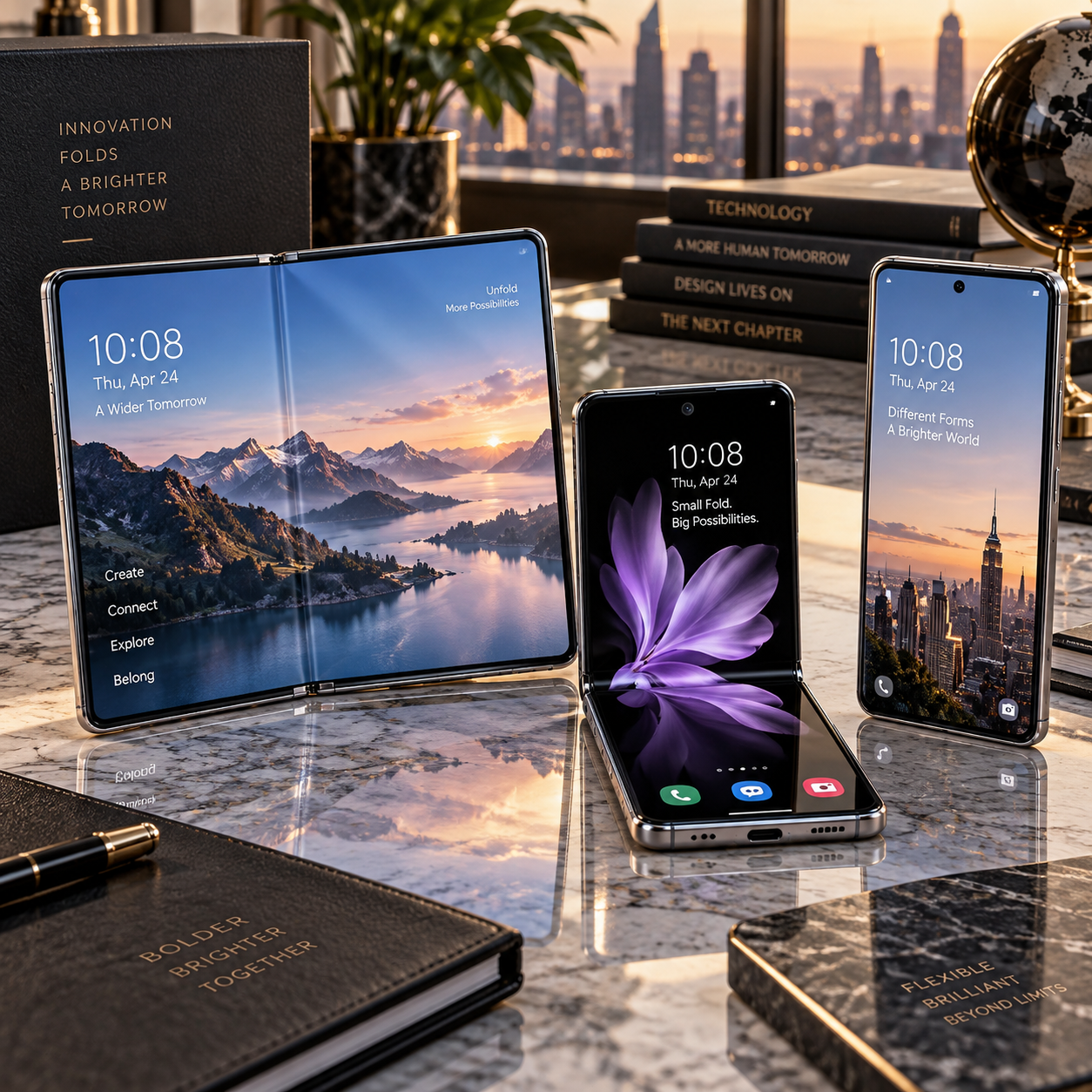
Foldable smartphones have moved beyond engineering demonstrations, but they remain a developing category rather than a finished replacement for conventional phones. The future of foldable phones will likely bring thinner designs, stronger hinges, better software, and more competitive prices, while durability and battery life remain central concerns.
Why Foldable Phones Still Matter
Foldable phones matter because they offer either a larger screen in a compact body or a smaller footprint without giving up smartphone features. Book-style foldables open into tablet-like devices, while flip phones fold into a pocket-friendly square. That flexibility gives manufacturers a clear reason to keep investing in the form factor.
A book-style foldable can combine a standard cover display with a much larger inner screen for documents, video, gaming, and multitasking. Two apps can sit side by side, and compatible software can use the hinge angle as a stand. For some buyers, that reduces the need to carry a phone and small tablet separately.
Flip phones solve a different problem. Their main advantage is portability. A large display folds into a smaller space, and an external cover screen can handle notifications, music controls, payments, or quick replies without opening the device.
Manufacturers also see foldable smartphones as a way to differentiate premium products. Conventional slab phones have become highly refined, so flexible OLED displays and unusual hinge design provide a visible hardware change. The compromise is equally visible: foldables usually cost more, weigh more, and require greater care than similarly priced standard phones.
The Biggest Foldable Phone Leaks to Watch
The most useful foldable phone leaks concern practical hardware changes, but none should be treated as confirmed until a manufacturer announces the product. Readers should separate confirmed specifications from supply-chain reports, prototype sightings, patent filings, and social-media rumors.
Displays, hinges, and new shapes
Rumors across the industry frequently point toward brighter flexible OLED displays, higher refresh rates, wider cover screens, and less visible creasing. These are credible directions because they improve existing weaknesses rather than requiring a completely new technology.
Hinge design is another major leak category. Future mechanisms may use fewer gaps when closed, thinner moving parts, and improved dust resistance. A flatter fold could make phones feel more like conventional devices, although a tighter hinge can increase engineering complexity and repair costs.
Tri-fold and rollable concepts appear regularly in smartphone leaks and manufacturer demonstrations. They could provide a much larger display, but they also introduce extra hinge points, more weight, and greater exposure to mechanical failure. For the next product cycles, slimmer book-style and flip designs are more realistic than mass-market rollable phones.
Cameras, processors, and batteries
Camera leaks often suggest that foldables will narrow the gap with flagship slab phones. Larger sensors, improved telephoto cameras, and stronger image processing would address a common complaint: some expensive foldables still use camera hardware below that of top conventional phones.
New processors should improve battery efficiency and multitasking, while silicon-carbon battery designs may allow more capacity in a thinner body. Faster charging is also widely predicted, but charging speed depends on heat management, battery longevity, and regional safety requirements. A rumor promising a thinner phone, larger battery, and much faster charging deserves careful scrutiny because those goals compete for internal space.
For reliable background on OLED technology and related display terms, readers can consult the OLED overview on Wikipedia, while remembering that a general technology explanation does not confirm any specific smartphone leak.
How Foldable Designs Could Evolve
Foldable designs are most likely to evolve through gradual refinement: thinner bodies, lighter materials, larger outer screens, and better crease control. Book-style foldables and flip phones will continue serving different users rather than converging into one universal design.
Book-style foldables
Book-style models are likely to become thinner and closer in weight to large premium phones. The cover display may adopt a wider aspect ratio, making typing and everyday browsing feel less compromised. Better hinge alignment could also reduce the gap between the two halves when closed.
The benefit is a more capable mobile workstation. The cost is that a larger inner display still consumes more power and can make the device bulky in a pocket. Buyers who mostly use messaging, social media, and cameras may gain little from the tablet-sized screen.
Flip phones
Flip phones will probably receive larger, more useful cover screens. A cover display that supports full apps can reduce the number of times users unfold the phone, which may help convenience and potentially reduce mechanical wear.
Future flip designs may also become slimmer when closed and less tall when open. However, the compact shape limits battery capacity and camera space. Choosing a flip phone for portability means accepting a smaller internal screen and, in many models, less endurance than a similarly priced slab phone.
Crease reduction will remain a design priority, but eliminating the crease entirely may be unrealistic in the near term. A flexible display must bend repeatedly, and hiding that bend involves trade-offs in thickness, hinge tension, and durability.
Features That Could Define the Next Generation
The next generation will be defined by reliability and software polish more than by spectacular new shapes. Buyers will notice a stronger hinge, better app behavior, improved cameras, and all-day battery life more often than a dramatic prototype feature.
- Durability and water resistance: More foldables may use stronger protective layers, improved sealing, and better resistance to everyday splashes. Water resistance does not mean immunity to dust, drops, pressure, or liquid damage.
- Foldable software: Android manufacturers are likely to improve app continuity, split-screen controls, taskbars, drag-and-drop actions, and adaptive layouts. Google’s Android foldable guidance has already established many of the design patterns developers need to support.
- Multitasking: Book-style devices could make dual-app use faster and more intuitive, with saved app pairs and improved stylus support. The feature only matters when apps use the extra space well.
- Battery life and charging: More efficient processors, denser batteries, and smarter background controls may deliver longer endurance. Faster charging could arrive, but sustained heat remains a constraint.
- Cameras: Foldables may gain larger sensors and better telephoto options, although thinness can limit how much camera hardware fits inside the hinge-side body.
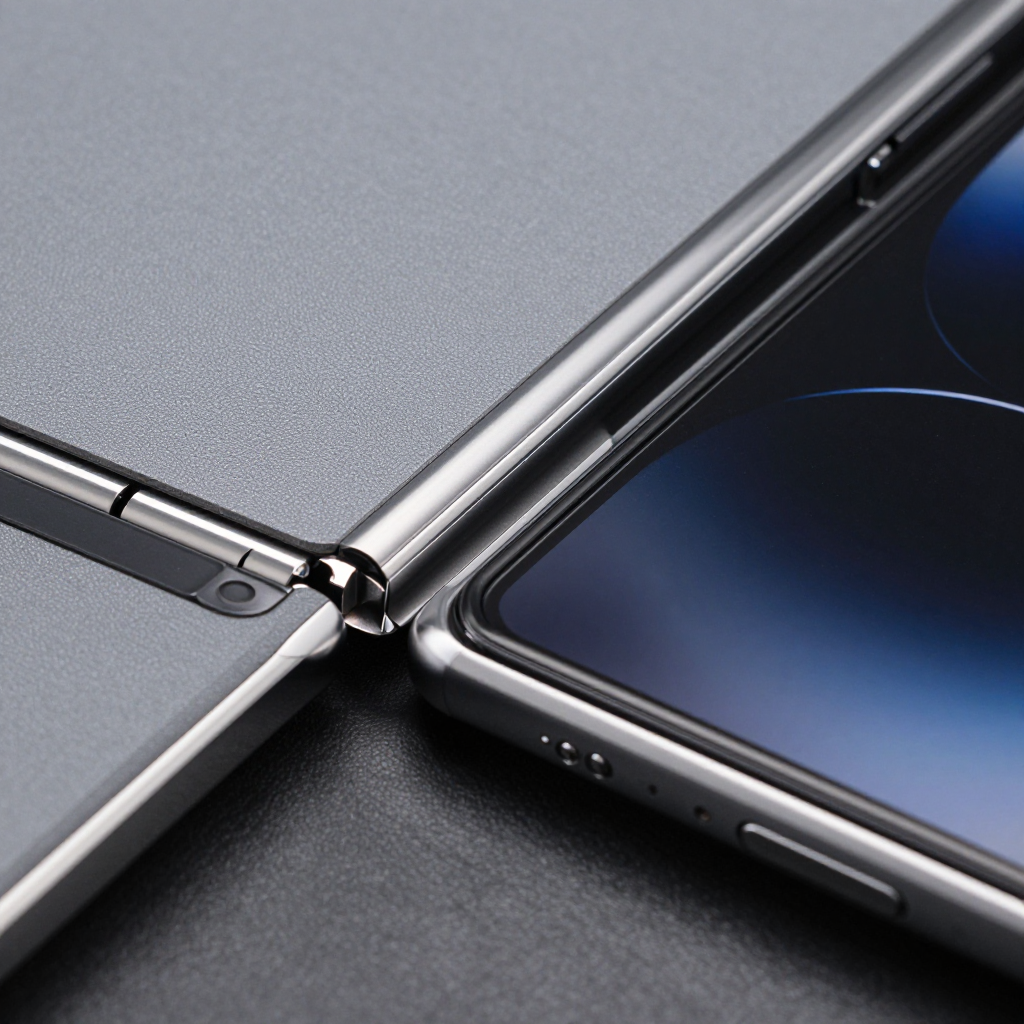
One practical test for any rumored feature is simple: does it improve a repeated daily task? A brighter inner screen helps outdoors; a larger cover display helps quick interactions; better app continuity saves time. A novelty that appears only in a launch demonstration deserves less weight in a buying decision.
Will Foldable Phones Become More Affordable?
Foldable phones should become more affordable as more manufacturers compete, but premium pricing is likely to remain for advanced book-style models. Lower prices depend on display yields, hinge production, component volume, repair networks, and software development costs.
Competition can create a broader market with entry-level flip phones, discounted previous-generation models, and carrier promotions. Flip phones are the strongest candidates for mainstream pricing because they require less inner-screen area and can share components with premium conventional devices.
Book-style foldables face a tougher equation. Their larger flexible OLED panels, complex hinges, multiple batteries, and specialized chassis raise manufacturing costs. A lower launch price may also involve compromises such as a weaker camera system, slower charging, a less durable frame, or shorter software support.
Consumers should compare total ownership cost, not only the sticker price. A protective case, screen insurance, and an out-of-warranty display repair can materially change the value calculation. Discounted older models can be attractive, but buyers should check remaining software support and whether replacement parts are readily available.
The Problems Manufacturers Still Need to Solve
Manufacturers still need to solve long-term display reliability, hinge repairs, app compatibility, weight, battery capacity, and software support. These challenges explain why foldable phones have not yet replaced standard smartphones for most buyers.
- Repairability: A foldable display and hinge are tightly integrated, making repairs more specialized and often more expensive than slab-phone repairs.
- Hinge reliability: Repeated opening and closing, pocket debris, drops, and misalignment can create risks that ordinary phones avoid.
- Crease visibility: Even when touch response remains normal, a visible crease can distract users, particularly during reading or video playback.
- App compatibility: Some apps still stretch poorly across large inner screens or fail to preserve state when the phone changes posture.
- Weight and thickness: A device that opens into a tablet may be productive, yet tiring to hold for long sessions.
- Battery capacity: Two-screen hardware and large displays increase power demands, while thin designs restrict internal volume.
- Long-term support: Foldables need dependable operating-system updates, security patches, replacement parts, and service coverage over several years.
A common mistake is treating a high water-resistance rating as proof of overall toughness. Another is assuming that an advertised hinge-cycle figure predicts real-world durability after drops and debris exposure. Buyers should read warranty exclusions and independent durability reviews before purchasing.
Prediction: Where Foldable Phones Are Headed
The most realistic prediction is that foldable phones will become thinner, more reliable, and easier to use before they become dramatically cheaper or replace conventional phones. The next few product cycles should prioritize refinement over radical form factors.
In the near term, expect improved crease control, wider cover screens, more efficient processors, stronger water resistance, and better multitasking. Camera improvements are plausible, although the thinnest models may still trail flagship slab phones in zoom performance.
Over a longer period, lower-cost flip phones could broaden adoption, while book-style models may appeal increasingly to professionals, frequent travelers, and users who value tablet-like productivity. Tri-fold and rollable devices will remain credible research directions, but their price, weight, and durability make widespread adoption uncertain.
The best buying decision depends on your tolerance for compromise. Buy now if the compact flip format or large inner display solves a clear daily problem and you have access to dependable warranty service. Wait if you mainly want a better camera, lower price, lighter body, or proven long-term durability.
Foldable Phone FAQ
What will the next generation of foldable phones improve?
The most likely improvements are slimmer construction, stronger hinge design, reduced crease visibility, better cover screens, more efficient battery use, and more consistent foldable software.
Will foldable phones become cheaper?
Flip phones are likely to become more accessible first. Book-style foldables may fall in price gradually, but flexible OLED panels, hinges, repairs, and premium components will keep many models expensive.
Are foldable phones durable enough for everyday use?
Many current foldables can handle normal daily use when protected and treated carefully. They remain more mechanically complex than standard phones, so drops, dust, pressure, and repair costs deserve extra consideration.
Which is better for most people: a flip or book-style foldable?
A flip phone suits buyers who prioritize portability and style. A book-style foldable is better for multitasking, reading, video, and tablet-like productivity, but it is usually heavier and more expensive.
Should buyers wait for future foldable phone launches?
Wait if your current phone works well and you want lower prices or better durability. Buy now when the foldable format offers a specific benefit you will use every day, and choose a model with strong software support and reliable service.