How Canadian Players Use Interac e-Transfer for Safer Online Casino Payments: A 2026 Guide to Fast Deposits and Secure Withdrawals
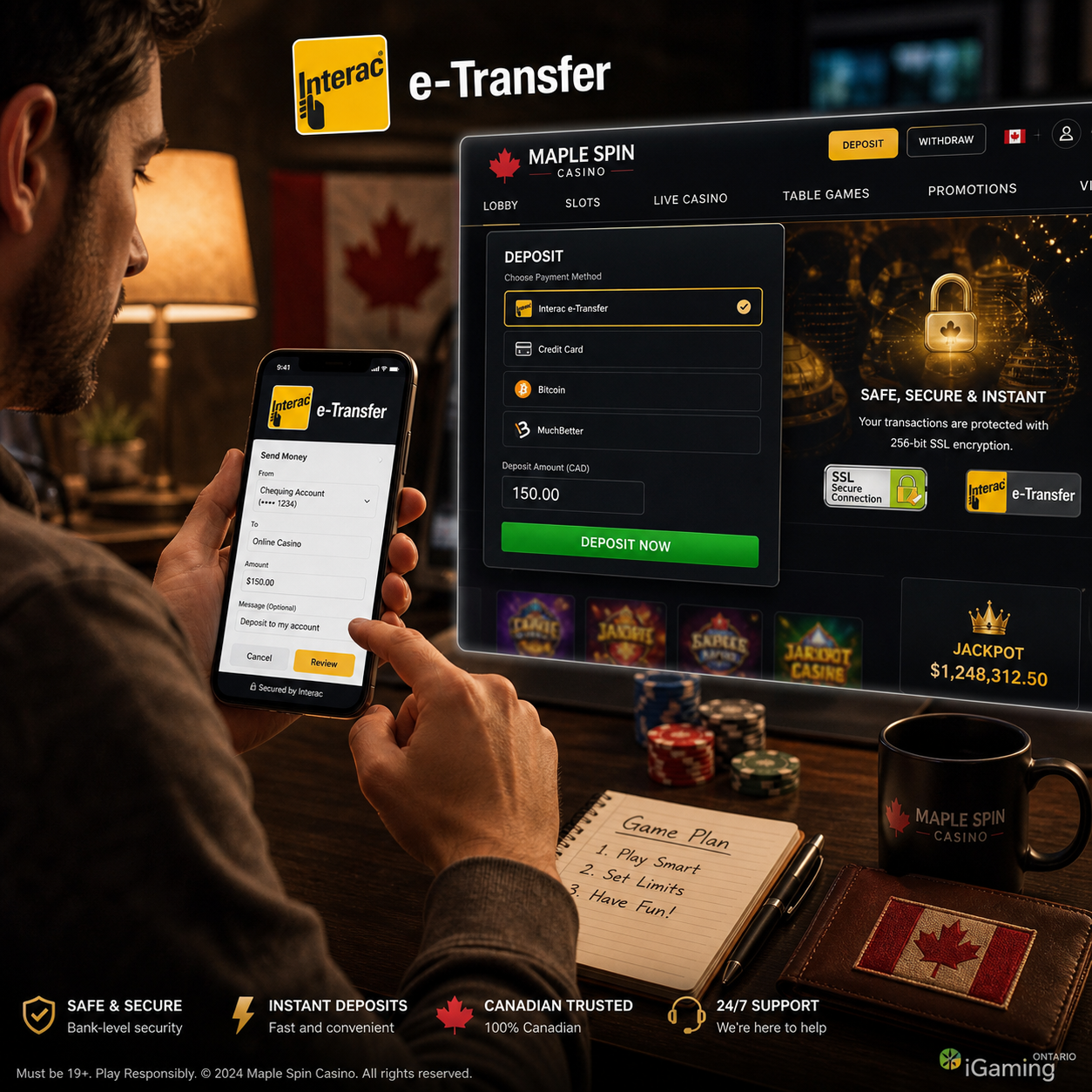
I've spent years watching Canadian friends and readers navigate the online casino world, and if there's one payment method that keeps coming up as the clear favorite, it's Interac e-Transfer. It's not flashy like crypto or as globally recognized as Visa, but for players in Canada, it's become the default choice—and for good reason. In this guide, I'll walk you through why Interac has earned that trust, how it actually works when you're funding a casino account, and what to watch out for so your deposits and withdrawals go smoothly in 2026.
What Is Interac e-Transfer and Why Canadian Players Trust It
Interac e-Transfer is Canada's homegrown bank-to-bank payment network, and it's fundamentally different from swiping a credit card or juggling a crypto wallet. Instead of routing your money through a third-party processor, Interac connects directly to the banking infrastructure most Canadians already use every day—think RBC, TD, Scotiabank, or your local credit union. That direct bank relationship is exactly why it feels safer to so many players.
By 2026, nearly every major Canadian bank supports Interac e-Transfer, and adoption among online casinos has followed suit. The appeal isn't just convenience—it's the bank-level encryption baked into every transaction. When you send money through Interac, you're essentially using the same secure rails your bank uses for regular transfers between accounts, which gives players a level of comfort that other payment methods simply can't match.
How Interac e-Transfer Works at a Glance
The mechanics are refreshingly simple. You don't hand over a 16-digit card number or a routing number to anyone. Instead, transfers are tied to an email address or phone number linked to your bank account. When you send funds to a casino, the money moves directly from your bank to theirs, usually landing within minutes. No middleman holds your card details, and no merchant database stores sensitive financial information that could later be compromised in a breach.
Why Interac e-Transfer Is Safer Than Other Casino Payment Methods
I get asked a lot whether Interac is genuinely safer than credit cards or e-wallets, and honestly, the comparison isn't close. Credit cards expose your full card number to every merchant you use, and that number sits in countless databases across the internet—any one of which could get hacked. E-wallets add convenience but still require you to trust a third-party platform with your banking details, plus they've become popular targets for phishing schemes.
Crypto, meanwhile, offers privacy but almost zero recourse if something goes wrong. There's no chargeback, no customer service line, and no regulatory body stepping in if a transaction gets sent to the wrong wallet.
Interac's closed-loop system sidesteps most of these problems. Your money travels bank-to-bank, verified by your own financial institution using security questions and login credentials you control. There's no card number floating around for hackers to steal, and because it's a system built specifically for the Canadian banking ecosystem, it's tightly monitored by regulators. That's a big reason why regulated Canadian gambling sites have leaned so heavily into supporting it as a preferred deposit option.

How to Deposit and Withdraw Using Interac e-Transfer at Online Casinos
Using Interac at an online casino is genuinely one of the easier parts of the whole gambling experience. To deposit, you log into your online banking as usual, select 'Interac e-Transfer' or 'Send Money,' and choose the casino as your recipient—often it's already listed if the site is well established, or you'll enter their designated email address. Type in your deposit amount, answer your security question, and confirm. That's it. The funds typically show up in your casino account within a few minutes.
Withdrawals work a bit differently. You'll request a withdrawal from within your casino account, and the site will initiate a transfer back to you via Interac. Some casinos require you to accept the transfer by answering a security question on your end, similar to receiving money from a friend. Before any of this happens, though, the casino will typically run identity verification checks to confirm you're the account holder—this is standard practice at any regulated site.
Typical Processing Times for Deposits vs. Withdrawals
Here's something worth knowing upfront: deposits are almost always instant or close to it. The transfer itself takes minutes. Withdrawals, on the other hand, usually take 24 to 48 hours—not because the Interac transfer is slow, but because casinos need time to complete KYC (know your customer) verification before releasing funds. Once that verification clears, the actual money movement is just as fast as a deposit.
Choosing a Licensed and Reputable Interac Casino
Not every site that claims to support Interac e-Transfer is worth your trust. I always tell people to check for licensing from recognized Canadian authorities—provincial regulators like AGCO in Ontario, or established jurisdictions like Kahnawake, are good signs a casino takes compliance seriously. These licensed operators tend to have clearer withdrawal policies and more reliable Interac integration because they're held to stricter operational standards.
If you'd rather skip the research and go straight to vetted options, this interac e transfer casino Canada roundup does a solid job highlighting top-rated 2026 sites known specifically for fast deposits and secure withdrawals. It's a useful starting point if you want to avoid the trial-and-error of testing casinos yourself.
Common Mistakes Canadian Players Make with Interac e-Transfer
Even with a system this straightforward, players still run into avoidable snags. Depositing at an unlicensed or poorly reviewed casino is probably the biggest mistake—it often leads to withdrawal delays or, worse, funds that never arrive. Another common issue is ignoring daily or weekly transfer limits set by your bank, which can unexpectedly block a larger deposit or withdrawal.
Mismatched names between your bank account and your casino profile also cause headaches. If the name on your Interac transfer doesn't match your verified casino account, expect a hold or a request for additional documentation. And don't underestimate how many people forget the answer to their own security question, only to have a withdrawal stall for days while they sort it out with support.
Tips for Maximizing Speed and Security
A few small habits make a real difference. Enabling Interac Autodeposit removes the need for security questions on incoming transfers, which speeds up receiving withdrawals significantly. Always double-check that a casino's licensing is current before making a deposit—regulations and site statuses can shift, and a quick verification takes seconds. Keep records of your transaction confirmations too; if a dispute ever comes up, having timestamps and reference numbers makes resolution much faster.
Lastly, since Interac makes deposits so fast and frictionless, it's worth setting personal deposit limits directly through your bank or the casino's responsible gambling tools. The same speed that makes Interac convenient can also make it easy to deposit more than intended, so a little self-imposed structure goes a long way.
FAQ – Interac e-Transfer Casino Questions Answered
Is Interac e-Transfer available at all Canadian online casinos? No, only casinos that specifically integrate Interac support it—typically licensed, Canada-focused operators. Always confirm before assuming it's an option.
Are there fees? Most Canadian banks don't charge for standard Interac transfers, though some smaller institutions may apply a small fee. Casinos themselves rarely charge extra for using Interac.
What happens if a transfer fails? Funds are automatically returned to your account if a transfer isn't accepted within a set window, usually 30 days, or immediately if there's an error in the recipient details.
Can withdrawals be sent back to the same bank account? Yes, and in fact most regulated casinos require it—withdrawals are typically sent to the same account used for depositing, as part of standard anti-fraud practice.